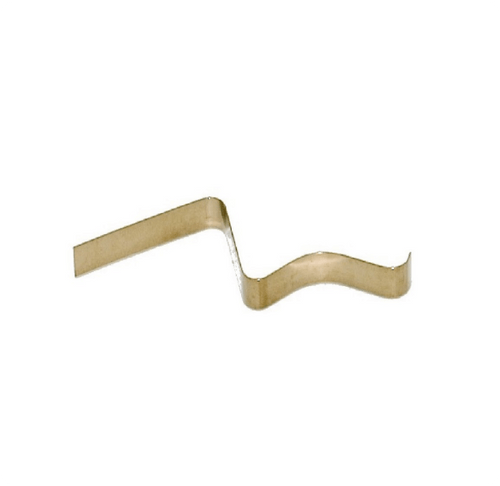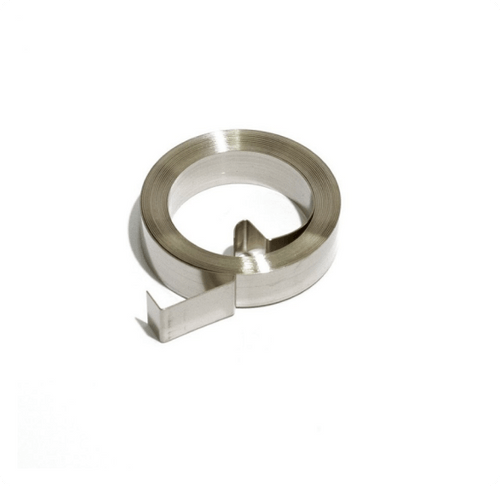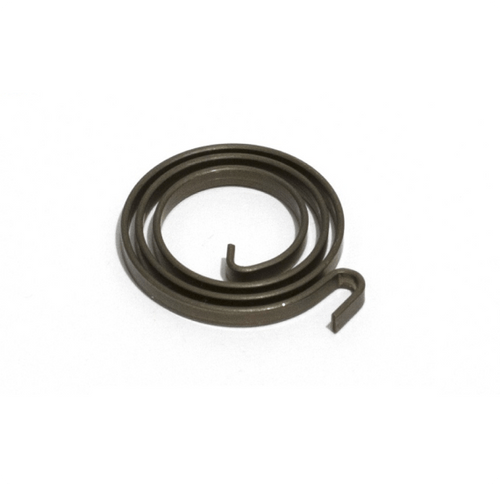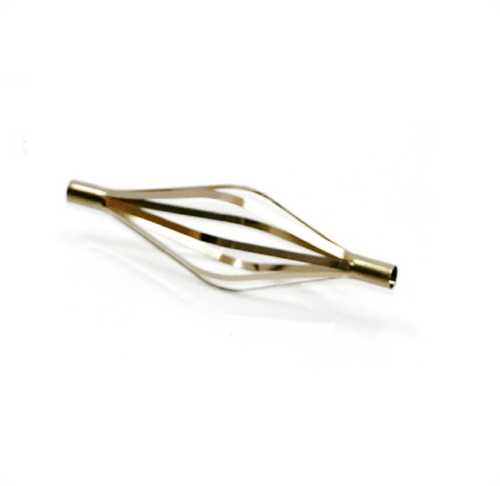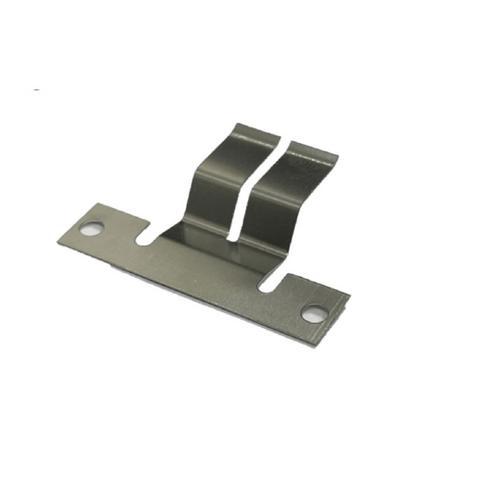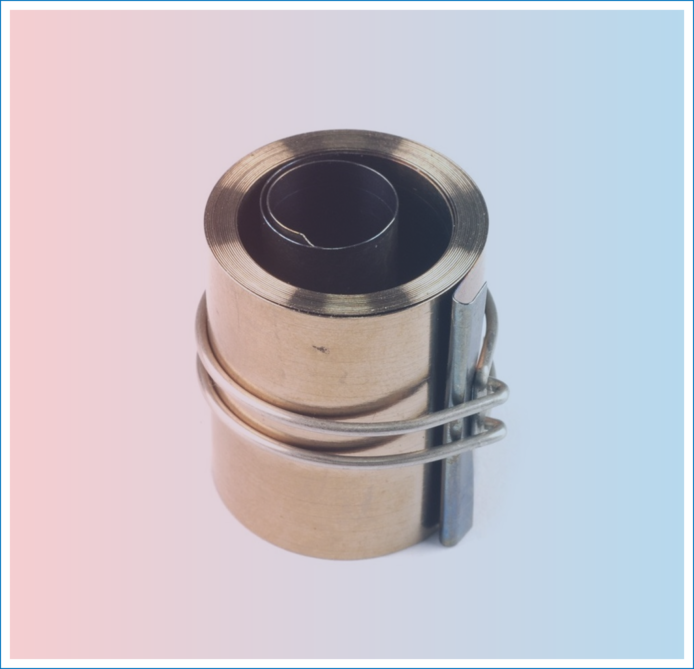
Made of flat strips of metal materials, flat springs are designed to clamp, position and retain components into a specific configuration. ChiaoTa specializes in manufacturing a wide variety of flat form products including but not limited to flat springs, clips, stamping springs, snap springs, and more.
We have helped companies engineer, test, and produce high-quality flat form products for a wide variety of industries.
Definition and Functions of Flat Forms/Clips
Flat Forms/Clips are elastic components made from metal sheets, steel strips, or copper alloy plates.Through precise stamping and forming processes, they are transformed into products with mechanical properties that can return to their original shape after bending deformation.
They provide stable performance and are suitable for components that require repeated deformation.Flat Forms/Clips are classified as flat springs or leaf-type springs, rather than wire-formed springs such as compression springs or torsion springs.
The main function of Flat Forms/Clips is not to support weight, but to use elasticity to secure components and prevent loosening.Common applications include battery contacts, switch contacts, and washers.
Because they occupy minimal space and can be formed into various shapes, they are suitable for mass production and are widely used in electronics, hardware appliances, automotive and motorcycle, and medical products.
Common Materials of Flat Forms/Clips
Different materials used for Flat Forms/Clips have their own advantages and disadvantages, and are suited for different application environments.
When selecting materials, environmental factors should be considered. For humid conditions, stainless steel or copper alloys are preferred; for applications requiring high electrical conductivity, phosphor bronze is a suitable choice; and spring steel is commonly used for general applications.
All of these materials offer good elastic recovery, helping to ensure stable performance over time.In general, they can be divided into the following categories:
The first type is spring steel or stainless steel, which provide good elasticity, strength, and durability, making them suitable for fastening applications.
The second type is phosphor bronze, which is commonly used for conductive Flat Forms/Clips that require both electrical conductivity and elasticity, such as terminals, connectors, and battery contacts. Phosphor bronze offers better strength and elasticity compared to standard brass.
|
Material |
Advantages |
Disadvantages |
|
Stainless Steel |
Corrosion resistance, long-lasting elasticity, good heat resistance, good workability |
Higher cost, heavier weight |
|
Spring Steel |
High elasticity, low cost |
Poor corrosion resistance, prone to rust |
|
Phosphor Bronze |
Good electrical conductivity, excellent elasticity, fatigue resistance |
Higher cost, lower strength than steel |
|
Copper Alloys |
Corrosion resistance, high conductivity, durable |
Higher cost, moderate elastic limit |
Applications of Flat Forms/Clips
Flat Forms/Clips are typically manufactured from sheet metal through processes such as stamping, bending, surface treatment, and inspection.
For mass production, progressive stamping is commonly used; for prototyping or small-batch production, cutting or simple tooling may be used to verify shape and elasticity.
The following briefly introduces the applications of Flat Forms/Clips in the electronics and automotive and motorcycle industries.
1. Electronic Products
Flat Forms/Clips are used in electronic products for electrical connections and switch activation.
They are suitable for materials with good conductivity and elasticity, such as stainless steel and phosphor bronze, and are commonly used in mobile phone buttons and electronic connectors.
2. Automotive and Motorcycle Industry
In the automotive and motorcycle industry, Flat Forms/Clips are mainly used for electrical connections, sensor fixation, and mechanical support, providing reliable durability.
For example, embedded Flat Forms/Clips in sensors help maintain a stable circuit and accurately transmit signals to the vehicle control system, enhancing safety monitoring.
Flat Forms/Clips are also used in seat adjustment mechanisms to provide elastic support and maintain a stable position.
Available Materials:
Treatment Options:
Applications: